There is a reason for these wet weather driving tips in Australia. The plain fact is that to drive in the rain you should put your foot off it, make room, have your lights on right and not make any sudden moves or head into floodwaters. That is the short of it, but then there are the details to consider in a country where a Top End storm in the wet season, a downpour in Sydney and a Perth shower are as different as three sports.
I am Phoebe Langston and one has only to watch people to see they are taken aback by the notion that a wet road is anything but an inconvenience. It is not. Rain will diminish your tyre’s grip, lengthen braking distance and hamper your visibility; with oil, potholes, spray and a bit of coastal wind in the mix, even well known roads can be quite rough.
The effect of the rain
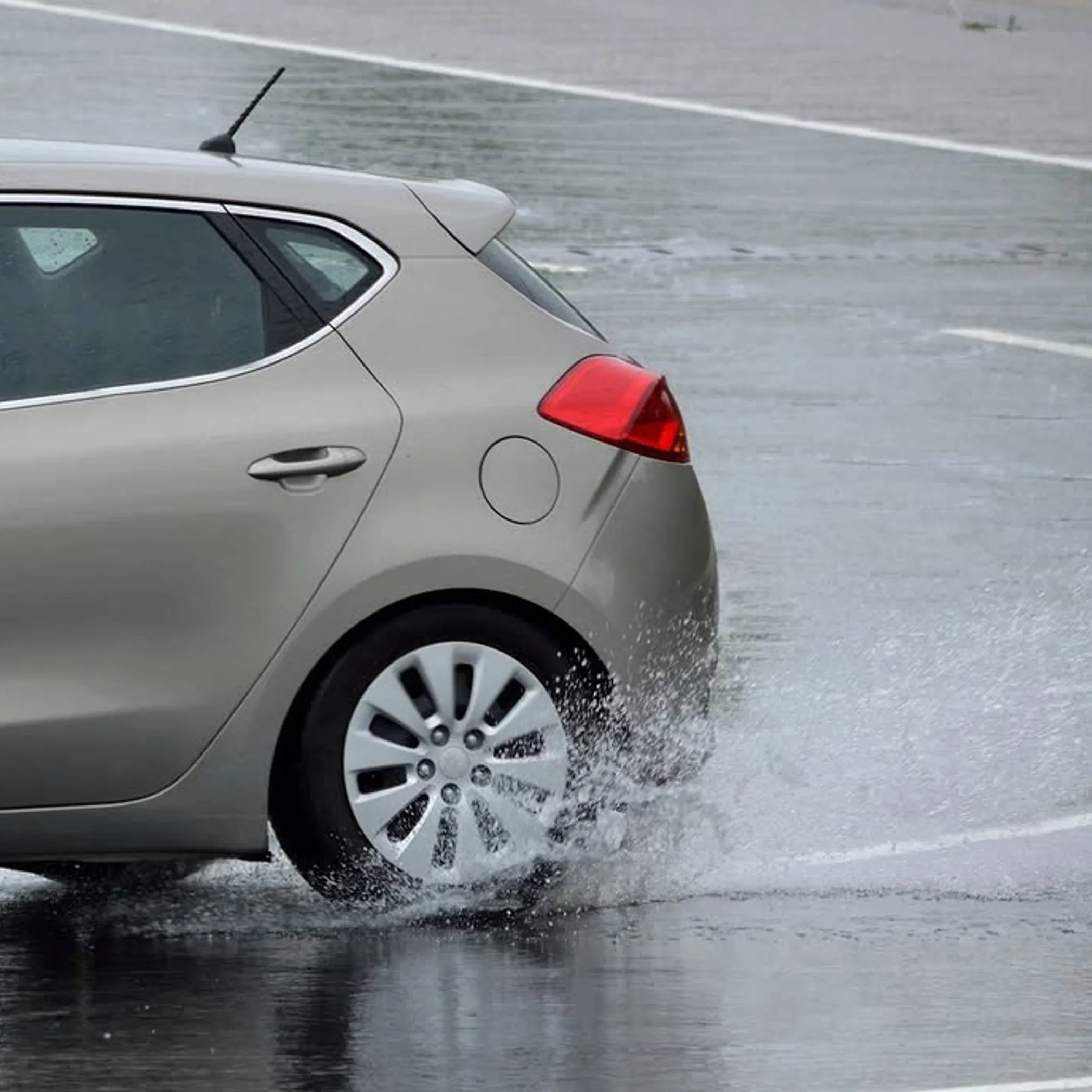
A lot of drivers will tell you they are being “careful” in poor weather, but such generalities do not help when the ute ahead puts up a wall of spray and the car goes light. Friction is gone in a hurry on a wet road and after a dry spell the first rain makes things very slippery as it brings up the oil and grime.
You will find conditions are all over the place in this country. In the city you have peak traffic turning roads into a skating rink, on the coast you have to contend with standing water and gusts, so it’s crucial to have rainy day coastal driving advice, and out on the regional highways blind bends can conceal debris and washouts.
Where people go wrong
They will not adjust their driving until the car gives some sign of instability, at which point the reaction is too late. Or they put their faith in the speed limit as if it were a target. The number on the post is no guarantee of safety, merely what is allowed under ideal conditions.
Years back I had a mildly embarrassing reminder of this on a wet day south of Bunbury. I put the brake on at a spot I have done a hundred times in the dry and the car was half a second in responding. Nothing came of it, but it is enough to put the matter of braking distance in perspective.
Hazards to be aware of
There is no point in advanced technique if you do not appreciate the risks: aquaplaning, water on the road, visibility issues and less grip. Then you have the local flavour of Australian roads. In the north the heavy seasonal rains can alter access in a hurry, while rural roads might present soft shoulders, wildlife and faded lines. A coastal route will be slick with salt and sand.
Then there is the matter of spray. Passing a road train or bus can put an end to your view for a couple of seconds. Combine that with worn tyres and patchy bitumen and your margin for stopping is eroded quickly.
In Australia hydroplaning is often the result of a driver going into standing water with underinflated or old tyres. When the tread cannot get through the water the tyre will sit on top of it and you lose much of your ability to steer or brake.
Start with the car
Any good safety tip should be heeded before you put the key in the ignition. Rain has a way of laying bare the maintenance you put off till next weekend and a poorly kept car puts the best driver at a disadvantage.
Do not forget to check the tyres. They, along with the wipers, brakes and lights, are what you rely on when things go pear-shaped.
A few things to look at before you set off:
Tyres – legal tread depth, pressure and any damage you can see. Tread is what clears the water.
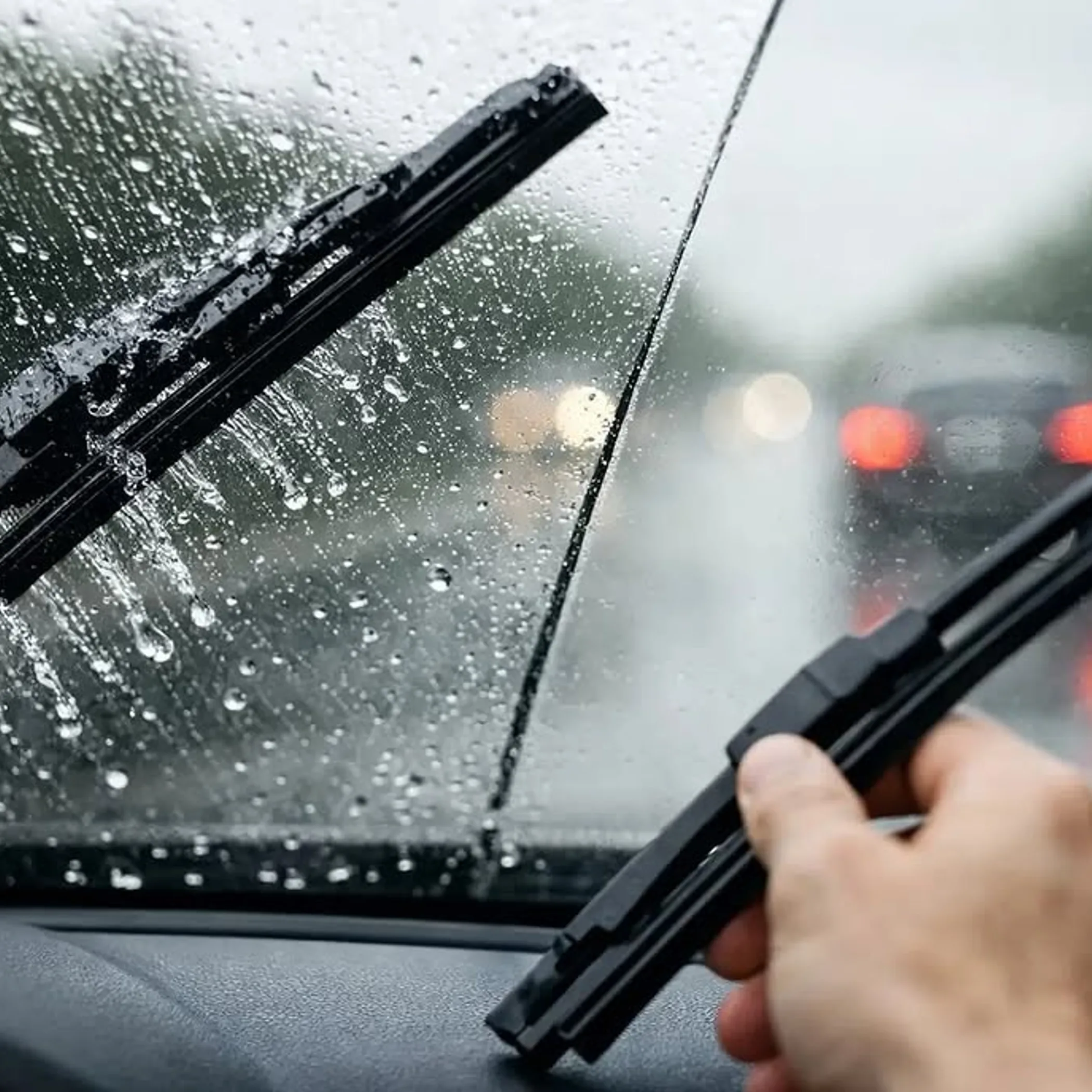
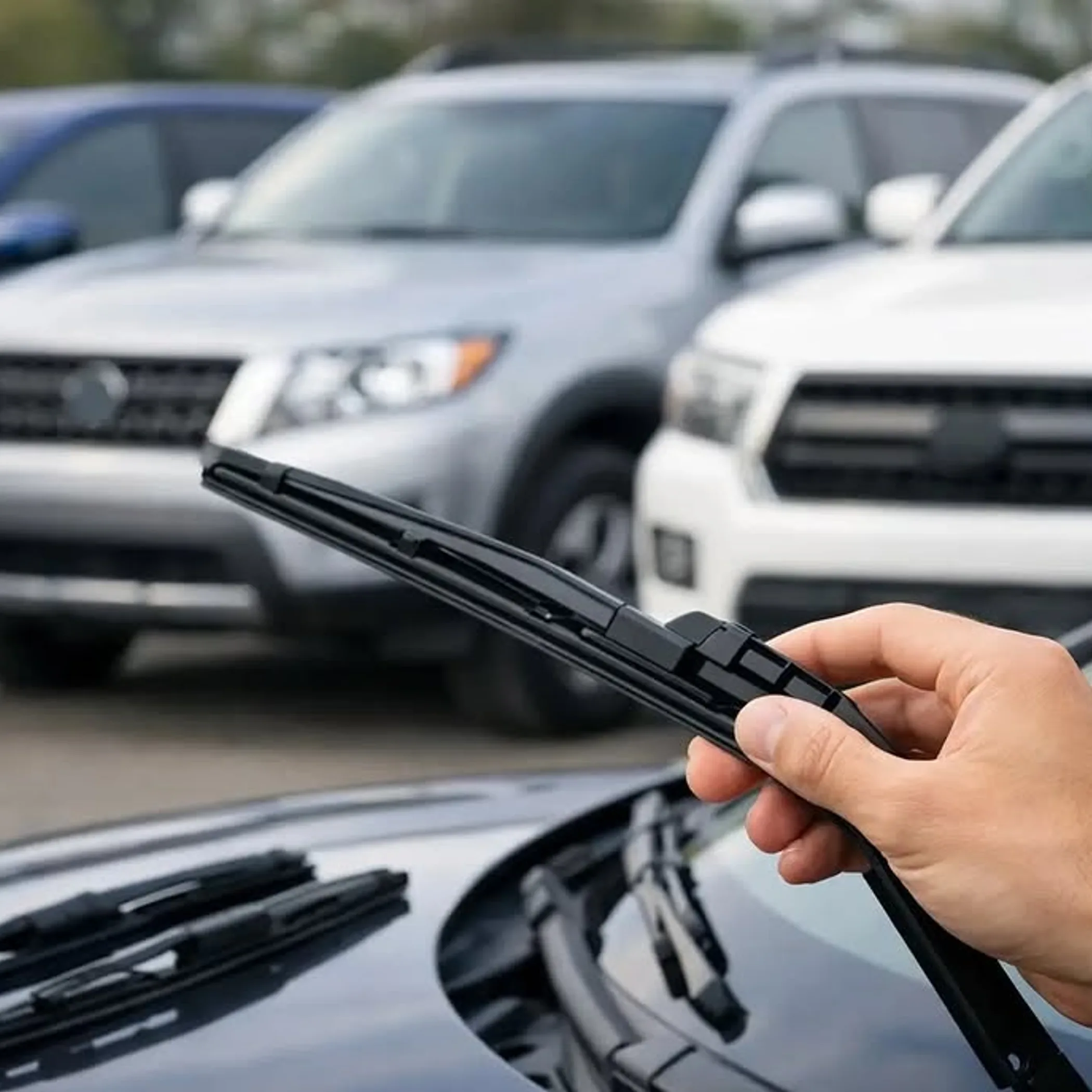
Windscreen wipers – if they leave a streak or chatter they need replacing.
Lights – low beams, tail and brake lights, indicators. Make sure they are in order.
Brakes – do not put up with them being noisy or uneven.
Windscreen – give it a good clean on both sides for the demister.
It is unglamorous advice but RAC WA and the like will have you focus on your visibility gear. And the NRSPP (National Road Safety Partnership Program) would concur, as of this writing, that the state of your vehicle is a primary control on risk. More Important Than One Might Suppose: Tyres
How a tyre sheds water is a function of its tread depth. Run low on tread and you are inviting the risk of hydroplaning. Then there is the matter of underinflation; in standing water an underinflated tyre will not behave and your stopping distance will suffer.
The gap between what is expected and the reality is plain to see. Some would have you believe four-wheel drive confers some sort of magic in the rain. It does not. You might be able to put more power down to get going, but when it comes to stopping, physics is not repealed.
Drive with Smoothness
On the road, smooth inputs are to be preferred. A patient hand on the accelerator, gentle braking and unforced steering all aid the tyres in holding the road.
In Australia one has to allow for margin in wet weather. More time, more room and no surprises is the way to go, which entails planning ahead of yourself and a lower speed than usual.
Braking and Space
There is no better rainy day advice than to put some distance between you and the car in front. On a dry day many drivers are already tailgating; in the rain that is an expensive habit. Four seconds is a sensible following distance in the wet, though you may need to add to that in poor light or if a large vehicle is ahead, or in heavy rain.
Traction is diminished on a wet road and water can break the tyre’s contact with the surface, so you will cover more ground coming to a halt. Where visibility is an issue, do not load the tyres abruptly; brake with a lighter touch and earlier.
| Driving Factor | Dry | Wet | The practical side of it |
| Following gap | 2–3 seconds is common | 4 seconds at a minimum, more in a downpour | Be patient and back off |
| Braking distance | Better grip makes for shorter stops | Traction is less, so longer | Sooner and more gently |
| Visibility | For the most part stable | Spray and cloud will cut it | Make use of lights and demister |
| Tyre performance | Normal contact patch | Standing water reduces what they can do | Keep up the pressure and tread |
You will hear the same from Sixt Australia and National Cover Insurance and others: it is better to make a smooth decision early than to have to put in a last-minute correction. Westpac puts forward the same view in their severe weather material for motorists and the like, namely that preparation is no match for panic.
A Calm Approach to Skids
Should the car get a floaty feel, resist the urge to wrench the wheel and put the brakes on hard. People think it will put them right but it is usually the opposite.
Hydroplaning (or aquaplaning) is the result of the tyres being deprived of proper contact by the water. Even a momentary loss of traction is enough to put the vehicle out of kilter.
In the event of hydroplaning
Take your foot off the accelerator in a measured way. Steer where you mean to go and hold the line. Only brake suddenly if you have to. With ABS you can apply firm pressure without pumping the pedal if the situation calls for it.
Overcorrection is what gets people into trouble. The initial slide is unsettling and they will jerk the wheel and compound the problem. Small, deliberate movements are called for to let the tyres bite.
Get Your Visibility in Order
In city traffic or on a highway with a lot of spray, what you can see is often more of an issue than grip. If it is not clear, do not maintain your normal speed.
It is good manners to put on your headlights in the rain but it also lets others see you through the low cloud and spray. Low beams are the safer option as daytime running lights do not do much for the rear of the car.
Wipers, Demister and Lights
Do not wait until the windscreen is a shambles before using the wipers and if they are smearing, put new ones on. Put the demister on before every window is as fogged as a steamed dumpling basket. Warm breath and cool glass and damp clothing will have the cabin foggier before you know it.
Side windows can be as much of a nuisance as the windscreen in a coastal drizzle or winter rain. Ventilate and run the demister to keep the inside of the glass free of dirt, which only serves to trap moisture and obscure your view.
Floodwater is Out of the Question
People will still be taken in by the appearance of shallow, harmless water and underestimate floodwaters, yet they are among the most lethal of hazards on Australian roads. Do not even consider it.
It is not a matter of depth alone. There is the current, damage out of sight, washed-out edges and floating debris to contend with, not to mention not knowing what is underfoot. In little distance a road will make the transition from passable to hazardous.
Turn Around Early
There is method to the advice of Australian emergency services. The State Emergency Service and NSW Government are at pains to warn you off floodwaters, while the Bureau of Meteorology (BOM) has the forecasts and warnings in place to keep drivers from trouble. See the Bureau Of Meteorology Weather Warnings for the latest.
In practice, one can avoid the floodwaters of Australia by being unadventurous: put off the trip, reroute or cancel it. Lunch plans may go to waste but your life might be spared. You could call it a fair exchange.
Some Planning Is In Order
You will not find much about steering in the best advice on how to drive in the rain. It is more a case of ascertaining what the weather holds in store, which roads are closed and if the journey is called for in the first place.
Regional routes and long holiday drives along the coast are a case in point; over a few hundred kilometres conditions have a way of altering. Allow for realistic timing as well. Add in some spray and lower speeds and coffee breaks and a three-hour run in dry weather is now four and a half.
Make Use of Local Sources
Put in a check on BOM weather warnings before you set out. For Victorian updates there is VicTraffic, and in New South Wales Live Traffic NSW will tell you of any incidents or closures. RAC WA traffic and travel information is of use in the west. Be all the more conservative with your plans if you are in the north during the wet season or when cyclones are in the offing.
Remote driving in the wet is not for the novice, period. This applies to isolated tracks, back roads with poor drainage and anything near a creek crossing. In the Top End or parts of the Pilbara, or on the approach to a larger outback route, things can get away from you quicker than a traveller would think.
Coastal Roads Call for Common Sense
Wet bitumen, crosswinds, sea spray and glare, and tourists who have a habit of halting at lookouts make coastal roads something to be wary of. My own experience on a number of South West drives is that what looked moody from the café window was quite unruly once I was out by the beach. Do not make the mistake of regarding a coastal drive in the rain as a casual scenic loop; give proper thought to traction and where you can make an escape.
On Access And Timing
With only a day to spare, stick to the best-sealed and safest part of your itinerary and forgo any detours. Have a look at the parking surfaces; a steady rain will see gravel lookouts and car parks by the beach turn boggy. Count on it taking longer to return if local roads are flooded or traffic is bunched up around town.
For a day on the coast you will be doing slower average speeds with less chance of an overtake and having to stop on short notice for visibility or spray. Put in some extra fuel and warm clothes and be patient. Not very glamorous but preferable to putting stock in the idea the weather will right itself.
Who We Are Writing For
This is a no-nonsense guide for the commuter, the regional traveller and the holidaymaker after some sound safety tips for wet weather. Those who put in the miles in winter or on coastal and regional roads will find it of use.
Extra caution is warranted for new drivers, motorcyclists, those in a hire car they do not know, or anyone with a caravan tower in tow. If you are bound for a remote or flood-prone locale, the sensible thing may be to put off driving until things are better.
Do It The Boring Way
Australia does not have much in the way of flashy wet weather driving tips. Keep to it: slow down, leave room, have your wipers and tyres in good order, put the headlights on and never put your trust in floodwaters. Beware of hydroplaning.
That is what it boils down to. When the sky lets go and the road is all shine, an uneventful trip is to be had. Phoebe Langston would rather be late than end up a cautionary tale.
Frequently Asked Questions
Driving In Wet Weather? What Is The Course Of Action?
Be gentle on the brakes and increase the gap to the vehicle ahead. Put on the demister and wipers early and switch to low-beam headlights. Should traction or visibility be lacking, pull over to a safe spot or put off the trip.
Three Ways To Be Safer
Tyres should be checked for tread and pressure ahead of the rain. Then put at least 4 seconds between you and the car in front, more in a downpour. And eschew any sudden moves with the accelerator, brake or steering wheel; smoothness is what keeps your grip.
What Of Wet Conditions?
You are driving to the conditions, not the posted limit. Look further down the road for pooled water or pedestrians at a crossing and allow for the braking distance. A larger vehicle will put up some spray. If the road is under water, make a U-turn.
How To Put Some Traction Back On A Wet Road?
By giving the tyres a chance to clear the water and hold the surface. That means proper tyre pressure and tread, less speed and no harsh inputs.
Cruise Control In A Heavy Rain?
Not usually. With standing water and grip that is changing you want to be in control. Manual adjustment is smoother if you come across hydroplaning or traffic that slows without warning.
