For a sensible combination of good light, driving conditions and weather that is not too taxing on the crowds, one should target the spring or autumn months, from September to November and March to May. As for the hour of the day, sunrise will give you more room and calm if you want the superior light; sunset has a warmer hue but also the parking problems and numbers to match.
More than you might think, timing is of the essence at the Twelve Apostles. Arrive at first light with a handful of others on the boardwalk and it is a world apart from the school holidays or a winter storm. Phoebe Langston will be the first to say a spot can be made to feel like sardine tin or something quite magical by the turn of the weather and ten minutes.
Located in Port Campbell National Park off the Great Ocean Road, the stacks are free to view so there is no question of whether to make the trip. The issue is when to visit the Twelve Apostles so it is an experience you can enjoy. Whether your objective is to get some whale watching in, do some photography, avoid the hordes or put in a return from Melbourne in a day, your answer will vary.
Why the difference in timing
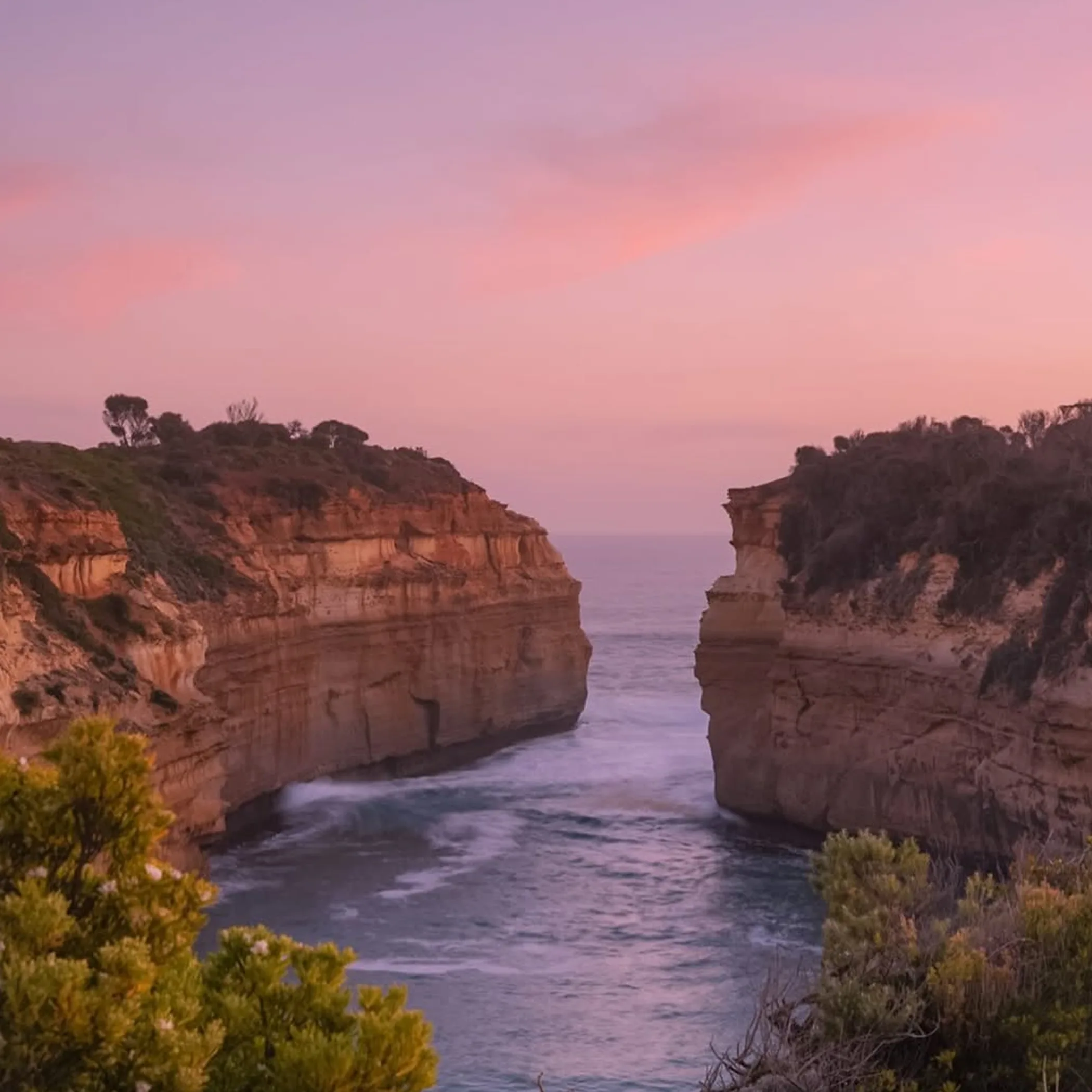
Do not consider the Twelve Apostles a roadside attraction you can put on auto pilot. You may find your plans for how long to stay altered by the wind, daylight, a coach tour or the sun. What is the best time to see them is really a function of what you value, be it comfort, elbow room or convenience. Many believe autumn is the ideal season for Victoria’s coastline. There is no season you would call bad, merely ones that suit certain travellers better.
Common misconceptions
It is easy to think midday is perfectly all right since the lookout is straightforward and the stacks are “just there”. In fact the light is harsh and does nothing for the cliffs, the tour buses congregate and any wind makes for a rough stop.
Then there is the matter of distance. A figure of 4.5 hours is often bandied about for the drive from Melbourne to the 12 Apostles but it omits the slower going on the Great Ocean Road, the roadworks, a need for a snack break or to put in a few photos. Make a same-day return and it is a long haul of it.
Make of it what you will, the debate over sunrise or sunset at the 12 Apostles is worth having. The same vantage point can be chaotic at dusk in peak times and altogether more serene at dawn.
An early start is what Phoebe Langston would advocate, for the light and to spare you the bother of fighting for a park with your coffee and camera in hand. It is easier on the nerves.
Go for sunrise
A quieter boardwalk and less competition for space are the usual rewards of a morning visit. Outside of summer the air will be cold but if you have no patience for crowds or want a photo uncluttered by twenty cell phones it is a fair exchange. Do not be under the impression you will always have an orange sky; this coast is prone to mist and cloud. On a moody morning the cliffs have more texture to them than in the unforgiving midday sun.
Sunset
You will get your warm light and the limestone stacks in dramatic shadow at the sunset lookout. Not surprisingly it is the most sought after time, come the weekends and school holidays in summer. Plan to be there ahead of schedule. Filling up of the car park is quick work and it takes its time to get from there through the underpass to where the visitors are.
Midday
If you are in a hurry, have young children in tow or are making a wider loop of the Great Ocean Road, then by all means go at midday. But temper your expectations. There will be glare and people and none of the atmosphere.
Seasonal considerations
The ideal season for Victoria’s coastline is as much about putting up with the elements and company as anything. Autumn and spring are the sweet spot for a good many. There is a certain spectacle to winter for those with a taste for drama; summer, on the other hand, has the convenience of long days and makes for an easy road trip. You cannot say either is wrong, they are just different takes on the place.
A Season-By-Season Snapshot
| Season | What you will find | Best suited to | Caveats |
| Summer | Warmer, long days, roads at their busiest | Those making the most of later sunsets or a long drive, first-timers | Holiday traffic, car parks at capacity, high UV |
| Autumn | Steady and mild with the crowds thinned out from summer | A slower pace for photographers and couples | Daylight does not last as long as in summer, weather can be changeable |
| Winter | Dramatic seas, cool and windy, stormy now and then | Whale watching, moody pictures, a more quiet time to be there | Slippery ground, cold wind and rain |
| Spring | Shoulder season value, wildflowers inland and fresh conditions | Walkers and road trippers of all weathers | Winds are variable, expect spikes over school holidays |
Autumn Brings Balance
We would put in a word for autumn in Victoria as the easiest option. From March through May you get milder temperatures and a more laid back atmosphere at the town stops and lookouts, to say nothing of the absence of the frantic holiday traffic of high summer. It is the way to go if you want the Great Ocean Road best time to visit without the full brunt of the summer rush. The evenings still have a nice light about them but the mornings are crisper, so make allowances for layers and do not think a hoodie is going to be enough.
Spring Feels Fresh
Another good window is September to November, especially for a road trip where you can put some green in your view. The Apostles may not be putting on a show of spring wildflowers, but the rest of the drive is bright and lively. This is shoulder season in its purest form. There will be times on weekends and during school holidays when it gets busy, but not with the intensity of a summer day.
Winter Has The Drama
The coastline is a bit wild in winter and that is what appeals to some. A grey sky lends power to the cliffs and the sea seems to grow in size with the storms. Then there is the matter of Twelve Apostles whale watching season; the southern right whales migrate along parts of the Victorian coast from winter well into spring. Marine life is more of a feature of the trip in these months, though no one can vouch for a sighting at every stop.
Summer Suits Convenience
Families and first-time visitors will find summer the simplest, with longer days and conditions amenable to stringing together a few stops. The downside is the 12 Apostles crowds, as does the traffic and accommodation from Torquay to Port Campbell. Make an early start or put up for the night somewhere close by. Many an itinerary is derailed by trying to put in an appearance at sunset after leaving Melbourne late.
Read The Weather Properly
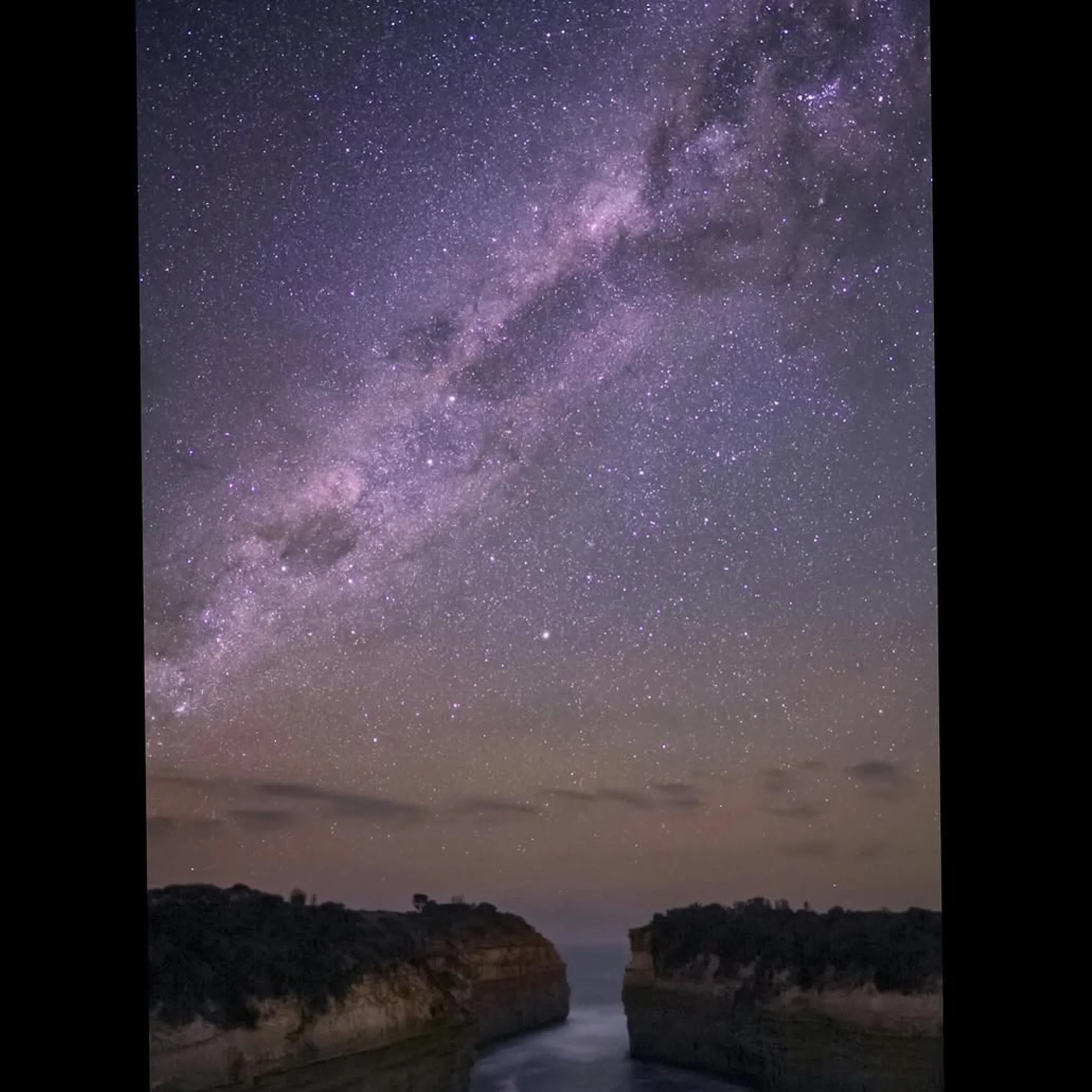
The coast has its own way of doing things. Do not assume a sunny Melbourne means the Apostles will be calm, nor that a grey morning will not have cleared by the latter part of the afternoon. For coastal forecasts and any wind warnings the Bureau Of Meteorology is worth a look before you head out. In winter it is important, in any season it is only sensible.
Month-By-Month Expectations
Patterns are more to be relied on than hard and fast rules for 12 Apostles weather by month. December to February is warm and crowded. June to August you can expect rain fronts, stormy seas and cold winds. March to May is milder, better for lingering. And while September to November is mixed, it is often a good month for the open road.
Then there is the wind chill to factor in. Out on the boardwalk and lookouts a mild day can seem a lot colder than an inland stop. Put on something windproof. You will be wiser for it than those who try to make do in a T-shirt.
Beat The Crowd Without Losing The View
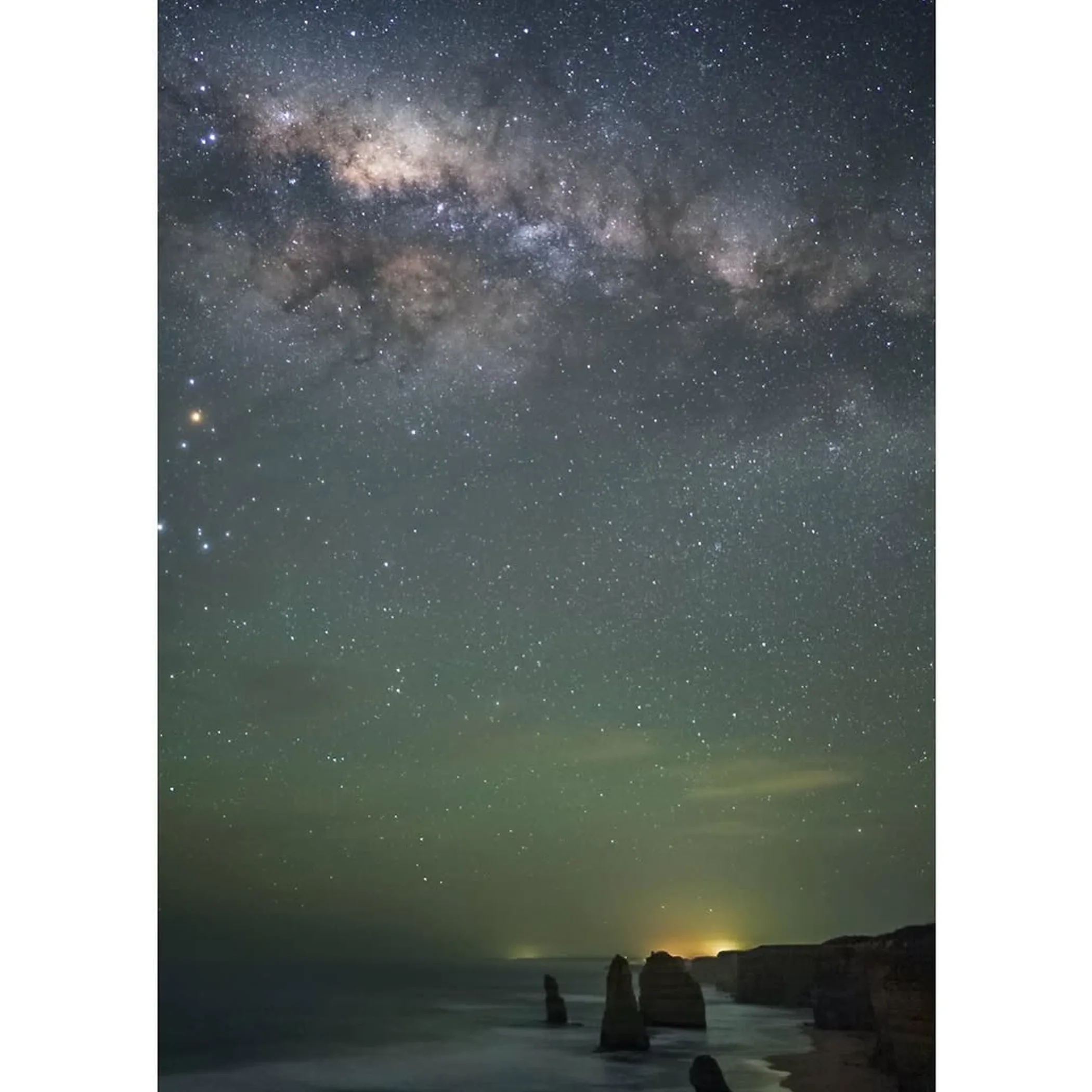
You are not going to have the place to yourself at the Twelve Apostles, one of Victoria’s premier coastal draws, but some simple choices will keep you clear of the worst of it.
Phoebe Langston is plain about it: steer clear of a summer weekend between late morning and late afternoon and your blood pressure will be none the worse for it.
In the peak of the season opt for sunrise or the first light of day, not the sunset.
A day trip from Melbourne is best done by bucking the trend and setting off very early. Or stay in Port Campbell and sidestep the coach tours.
Tour Traffic Patterns
You will find the Apostles feature in extended Great Ocean Road itineraries put together by operators like Go West Tours, Wayoutback, Klook, Responsible Travel and Bilby Travel. While that is a convenient option for those not inclined to drive, it has the effect of making some arrival times more congested as groups with like schedules congregate.
Anyone who has observed the comings and goings of travellers over the years will see a distinct pattern: the day tripper who makes his way in after hours on the road does not have as relaxed an experience as the independent type putting up at a local place.
Plan your time accordingly
When it comes to how much time is required at the site, 45 to 90 minutes is a fair amount for a good look around the main lookout and a proper stroll. But you are really asking whether you are making a quick stop or have a coastal itinerary with other viewpoints in mind.
Then there is the question of an overnight versus a day trip. It can be done in one day from Melbourne but do not expect it to be a lazy affair.
One Day Only
Make an early start out of Melbourne and be selective with your stops. Put the Apostles and perhaps a couple of other nearby attractions first; do not feel compelled to “do” every signposted vantage point. With traffic, photos and breaks factored in, a return day can easily run to 12 hours or more.
The best section to prioritise is the Port Campbell stretch, where several of the most rewarding Great Ocean Road viewpoints sit relatively close together. Should you be short on time, concentrate your efforts there instead of diluting them over the entire drive.
The case for an overnight
Staying in the vicinity of Port Campbell, Princetown or Apollo Bay affords you the opportunity to miss the rush and be in position for both the setting and rising sun. In these parts it is a matter of safety to avoid tired driving on roads you do not know after dark.
Folks tend to underplay the weather, wildlife and the prospect of being fatigued at the wheel. The lookout may be simple enough but the logistics are not if you have crammed too much into a single day.
On the drive
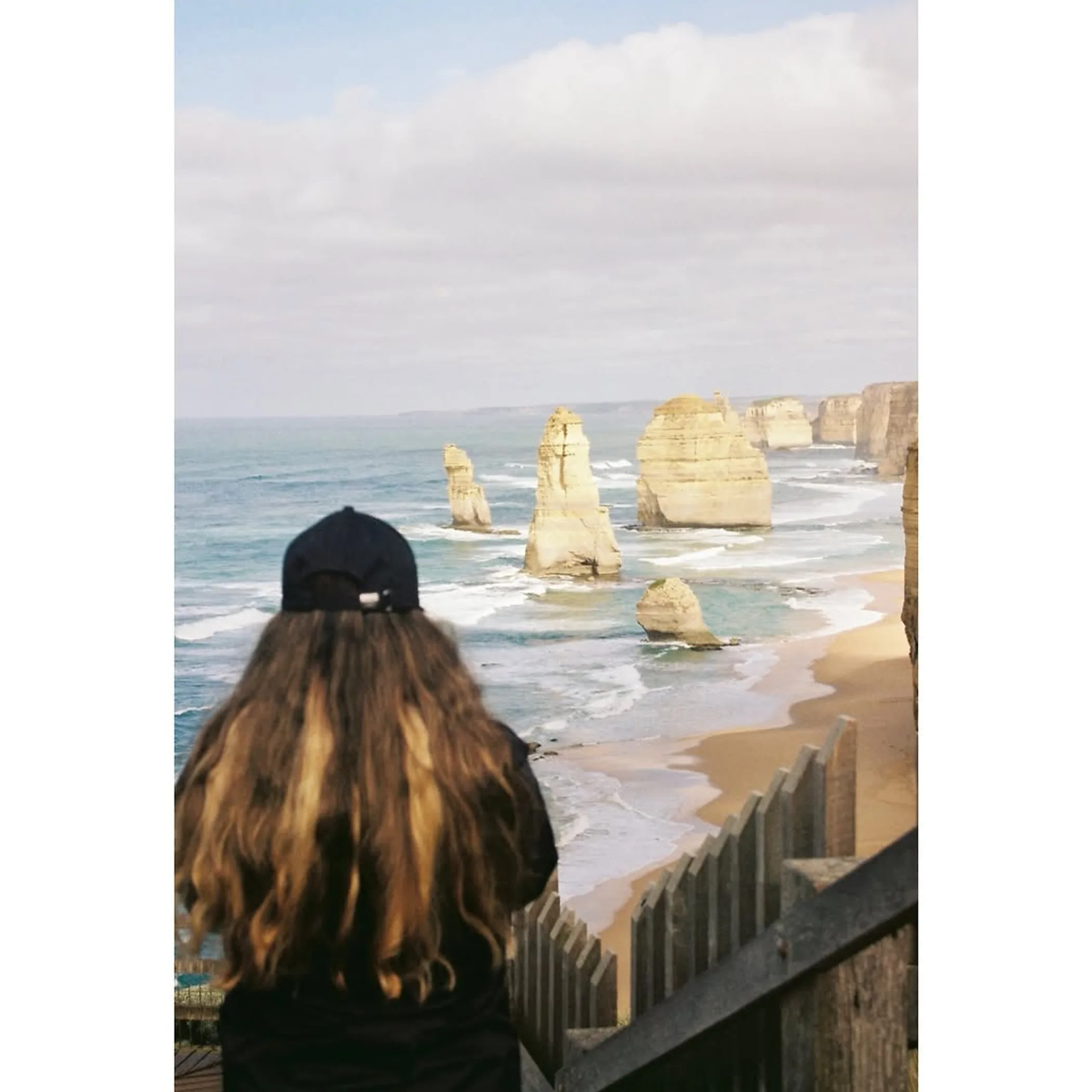
In theory it is no trouble to get to the Apostles, in practice it is slower. Allow 4.5 to 5.5 hours from Melbourne one way, give or take, contingent on what the traffic is like and if you are hugging the coast or making a quicker inland return. Romance aside, a late departure can make of the coastal drive a chore, so plan sensibly.
Parking and walking
There is an underpass for pedestrian access to the lookouts from the car park and visitor facilities in the main area. No fee is charged for viewing The Twelve Apostles from the public spaces of Port Campbell National Park.
The walks are not long and most will find them fine, yet the site is open to the elements. A railing is no barrier to the wind and the ground is apt to be slick when wet, so those not steady on their feet would be wise to be cautious at the lookouts.
How to come back
A lot of people who have made the drive down the Great Ocean Road from Melbourne will head back inland to put in fewer hours behind the wheel. For a one-day excursion that is the sensible thing to do. You have had your scenic drive without the slog home.
And it is not hard to see why the organised tour still has its appeal, sparing you the bother of parking and the like. For information on the coast the Corangamite Shire is of use, and YHA Australia and Visit Great Ocean Road have resources for route planning.
Where possible, put up somewhere near the Apostles and the dynamic is quite different. A photographer or a couple with an aversion to being rushed will appreciate it. One can put in an appearance for golden hour and then hole up until the light is better if the weather is nothing to write home about. Those intent on a mad dash to get it all done will find this less than ideal.
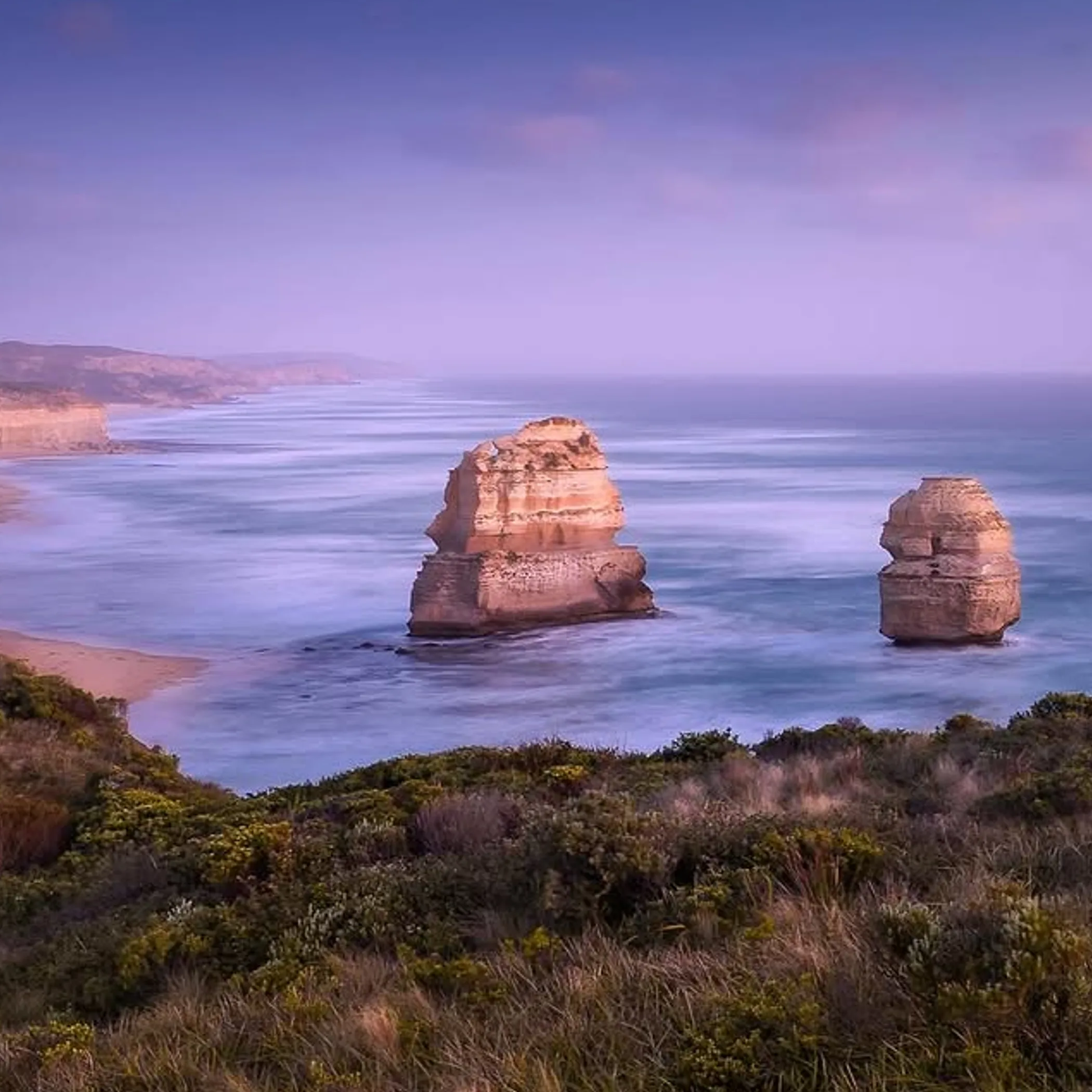
Where To Put Down Roots
For sheer convenience Port Campbell is the place to be. One could make a case for Princetown if being close by is of more importance than having a choice in restaurants; it is also quieter. Apollo Bay is a good option to break up the Great Ocean Road drive, do not let it be said you are any closer to the Apostles from there than you might think.
Costs are a rough estimate and will depend on the season, with the summer and holidays tending to run up the bill. It is advisable to book in advance should you prefer something private over a motel or hostel of the basic variety.
Better Photos To Show For It
A good image does not require an expensive camera so much as some thought to your positioning and the weather. The advice for photographing the Twelve Apostles is deceptively simple: be there early, hold still and avoid filling your frame with the kind of midday haze that is hard to shoot through.
Then Phoebe Langston would have you put the camera aside for a minute or two. You are better off looking at the cliffs with your own eyes than making the stop into a checklist.
More Than The Main Platform
Everyone starts at the main lookout but there are other vantage points in the vicinity for a change of sea movement and cliff line. A helicopter tour is one of the few means of getting a true sense of the limestone stacks and coastline, provided you can afford the broadest view. Not everyone is suited to them and they are at the mercy of the weather; if heights are not your thing or your budget has been put to the test by fuel and lodging, make do with the ground lookouts and bide your time for some better light.
Arrive 30 to 45 minutes before sunrise or sunset for the best chance of changing colour and softer contrast.
Carry a windproof layer and lens cloth; sea spray and gusts are common.
Use the railings or a stable surface if wind makes handheld shots shaky.
Include cliff edges or boardwalk lines for scale rather than shooting only the stacks.
A Few Things To Consider In Your Planning
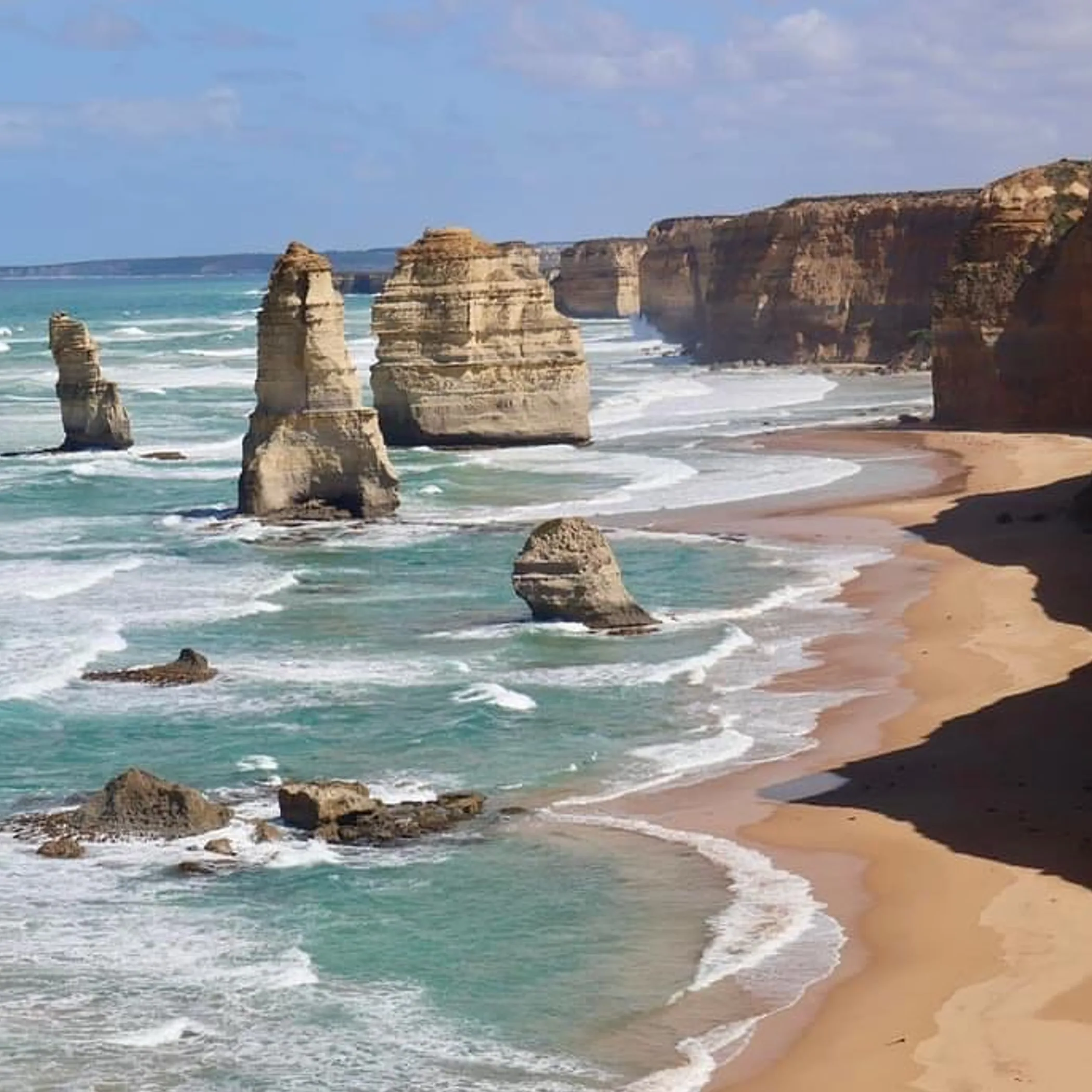
To put it plainly, autumn and spring are best overall, with the sunrise being the wiser hour to avoid the crowds and take cleaner pictures. Summer is the most straightforward yet crowded affair, winter has its moods and is preferable for storm watching and the odd bit of seasonal wildlife.
Most would be well served by putting in an overnight near Port Campbell instead of making a hurried trip from Melbourne. The Apostles are within easy reach but you need to plan for the weather, a coffee and perhaps another turn at the lookout.
Frequently Asked Questions
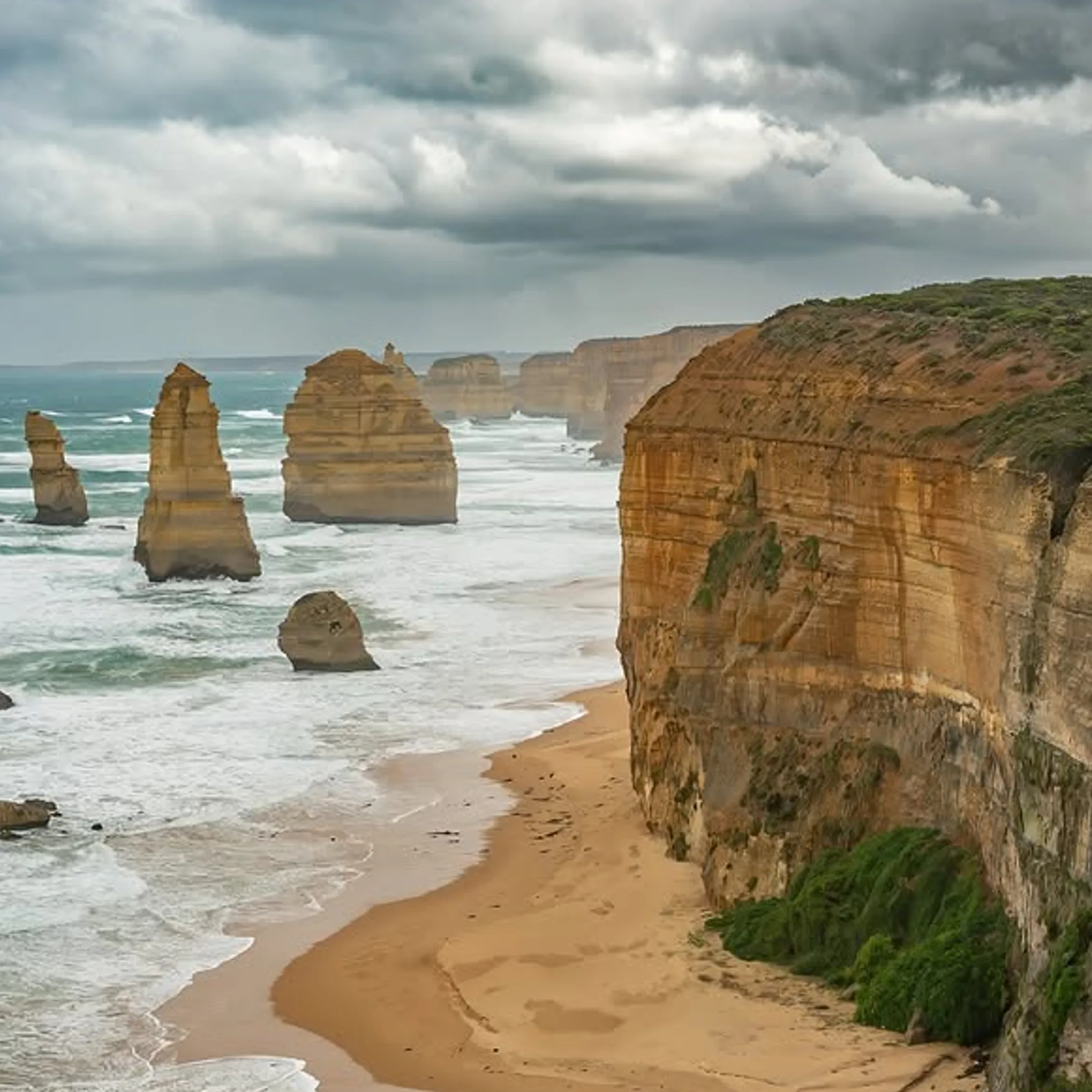
What Is The Best Time To See The 12 Apostles?
Autumn or spring for an all-round experience, and make it sunrise. The light is superior to what you get at midday and you will have milder conditions than in winter with the summer crowds absent.
How Long At The 12 Apostles?
The main site will take 45 to 90 minutes. Set aside half a day or more for the Port Campbell area if you are in no rush and want to cover the nearby lookouts.
Is There An Entry Fee?
None for the public viewing areas. The lookout is free although you will have outlays for parking, food, a tour or where you are staying.
Should You Visit The Great Ocean Road In August?
You can have a fine time with the whale migration and dramatic seas, and the lookouts are quiet. But bring warm clothes and be prepared for the cold and rain.
Worth A Day Trip From Melbourne?
If you have no aversion to a long day’s driving, yes. But an overnight is the sensible thing to do if you want to put in some time with your camera and see both the setting and rising sun.
