There is no need for panic when it comes to late night public transport in Melbourne; a little preparation will see you through. The city’s network is well used and workable of an evening, particularly in the CBD and its surrounds, though one is best served by being aware of where the staff are and how the Night Network operates before any sense of unease sets in.
To put it in Phoebe Langston’s words: there is seldom any drama with the trains, trams or buses at night in Melbourne. But that is not a licence to be half-asleep and put your faith in luck. One sees visitors who have been caught napping over a missed connection or a dead phone battery, or who make the mistake of thinking all stops are as heaving as Flinders Street Station. A measure of planning is worth more after midnight than it was at 2.00 pm.
First Things First
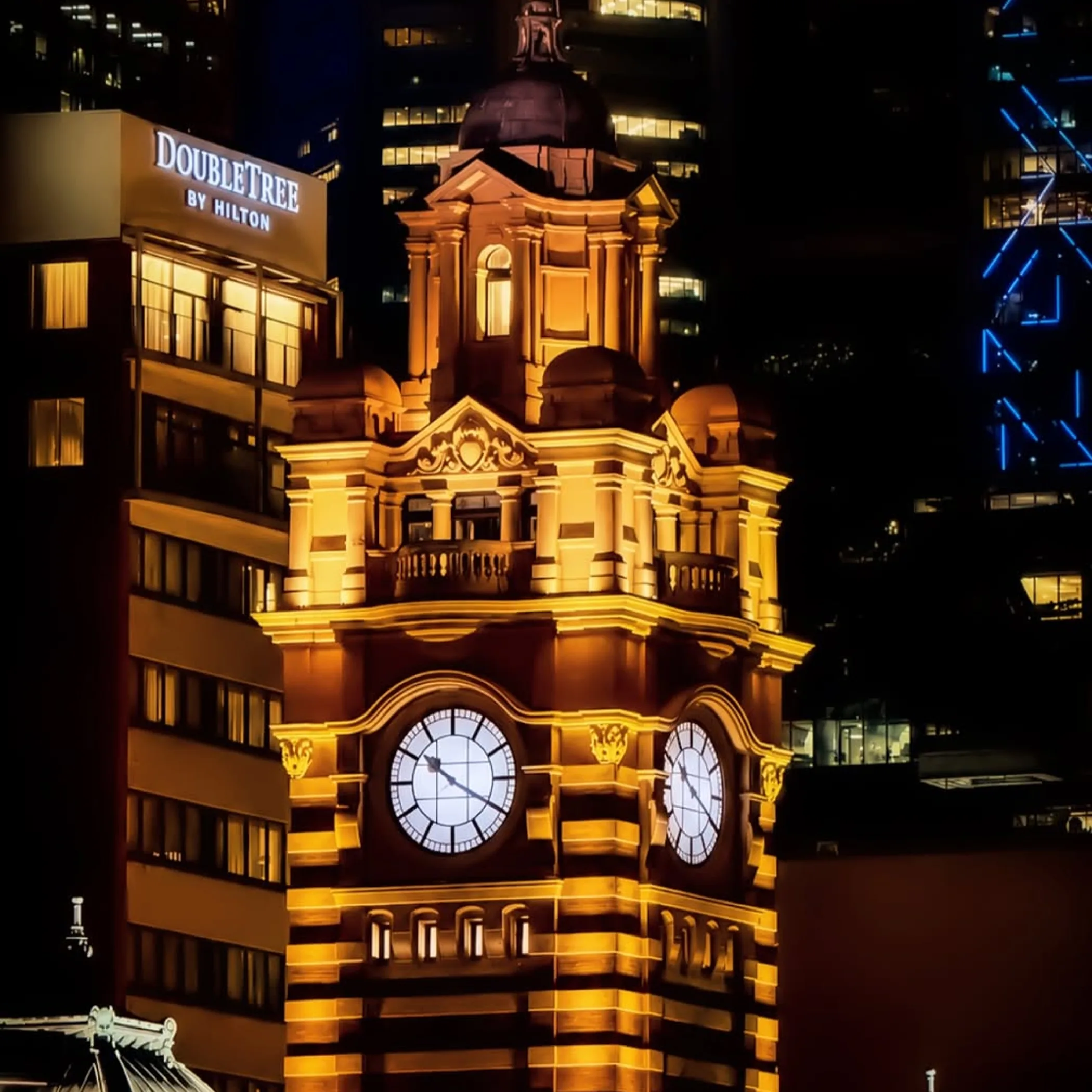
Coming from a bar, the footy, a concert or dinner? Then late-night transport is a good way to go. It is not as rough as one might think but it has a different character to the day time; services are fewer, the stations are quieter and you can find yourself in a rather isolated carriage if you are not careful. For those heading out, here are some Melbourne nightlife safety tips to keep in mind.
The sensible thing to do is stick with the busy routes and well-lit spots, and rely on the official timetables and apps. Travelling solo with armfuls of shopping from Bourke Street calls for practicality, not bravado.
How Safe Is The Network?
Many a first-timer is surprised to find the central areas of Melbourne’s late-night network are quite safe. “Safe enough” is not the same as turning off your wits though, and tourists tend to make an error of judgement there.
Flinders Street, Southern Cross and Melbourne Central will still be full of life late on, which is when visitors are apt to start fretting, says Phoebe Langston. Out in the smaller suburban stations it is a different story. Your level of risk is dictated by the hour, the place and the degree of isolation.
What You Expect And What You Get
You might expect all of Melbourne to be lively into the small hours. In reality the CBD may well be, but some bus interchanges and outer stations are much more sedate, even at the weekend. Not unsafe per se, but you would be ill-advised to let your map app talk you into a dark corner or an empty platform to make up 90 seconds.
Trams are convenient in the inner city, no doubt, but they are not always the easiest bet; after a big event they can be slow or crowded. A train could be faster or a bus will fill in the blanks, provided you have done your homework on the route.
Safety That Is There For You
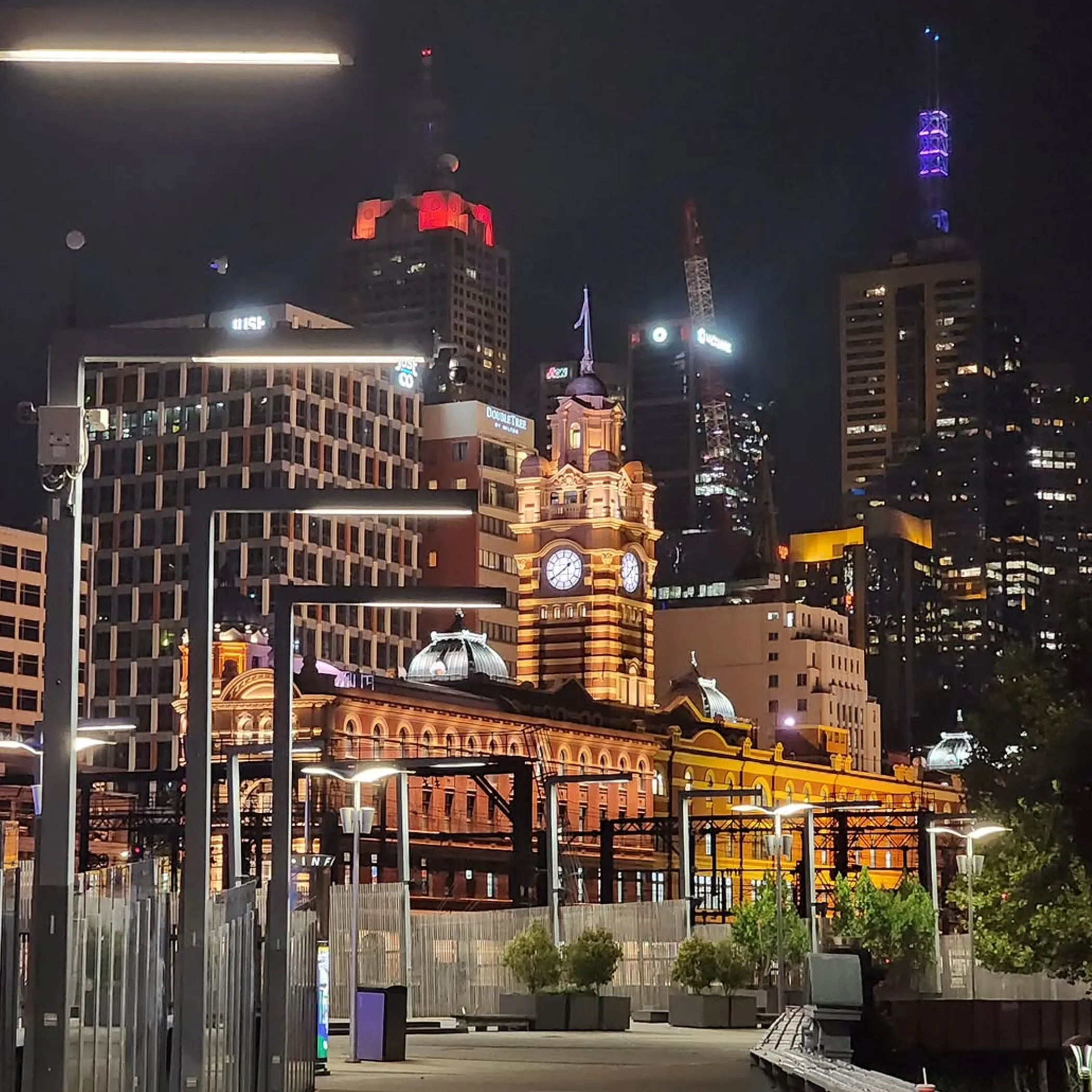
Melbourne’s system has its share of built-in safety features and it is as well to know them. Those looking for safe public transport in the city at night have a tendency to fixate on crime in the abstract. More often than not the protections that count are the straightforward ones: surveillance, a staff member on hand and the means to raise the alarm should things take a turn for the worse.
PSOs
Protective Services Officers are the face of safety on the Night Network, at railway stations in particular. You will come across them as simply PSOs and their patrolling of metropolitan stations in the evening is about as visible a deterrent as there is. If you are in any doubt as to where to stand, leave the far end of the platform to someone else and head for the area where the PSOs or station staff are.
CCTV And Intercoms
Transport Victoria has CCTV in place on its trams and trains and the emergency help points are of more use than most travellers give them credit for. Should you feel uneasy, do not put up with it in silence; get near the driver or other passengers, or ring the emergency intercom. The Victoria Police would have you report any troubling behaviour and put some distance between yourself and it if you can. It is easy to see the sense in such advice, yet when it comes to it people will put on the brakes, fret over a possible overreaction or put off a decision for another stop. The trouble is that delay.
Yellow Zones And Help Options
A case in point is the yellow passenger safety zone at a railway station; a practical thing to be aware of but one visitors are apt to overlook with their eyes on a phone. For the most part these areas are well lit and under watch, so if the platform is not much of a scene, make it your standing room.
Then there is the matter of STOP IT, the Victoria Police reporting service. You would use this to put in a report on any non-urgent antisocial or suspicious conduct you come across on public transport. It is no substitute for a life-threatening emergency but it is a means of calling out behaviour that ought not to be left unchallenged.
Night Network And Myki Basics
The Night Network has its uses, provided you know what is operating and at what time. Do not be among those who think “night transport” is synonymous with an all-night, round the clock affair.
Phoebe Langston would have it in bold, coffee ring and all: before you set out consult the latest timetables for the Night Network. Do not be left on a platform speculating where everyone has gone. That is when late-night connections have a way of unravelling.
What Runs After Hours
On weekend nights the Night Network puts on some train, tram and bus services, though the frequency is not uniform from one mode to the next. Melbourne travellers may find the late night buses of some utility in places the overnight trains do not go, but they will not be as accommodating should you miss one. Trams are more of an option in the CBD and inner suburbs while for a longer run out to the suburbs the train is preferable. As for service information, Transport Victoria has the current details, which is better than a screenshot off a group chat.
Myki Without The Headache
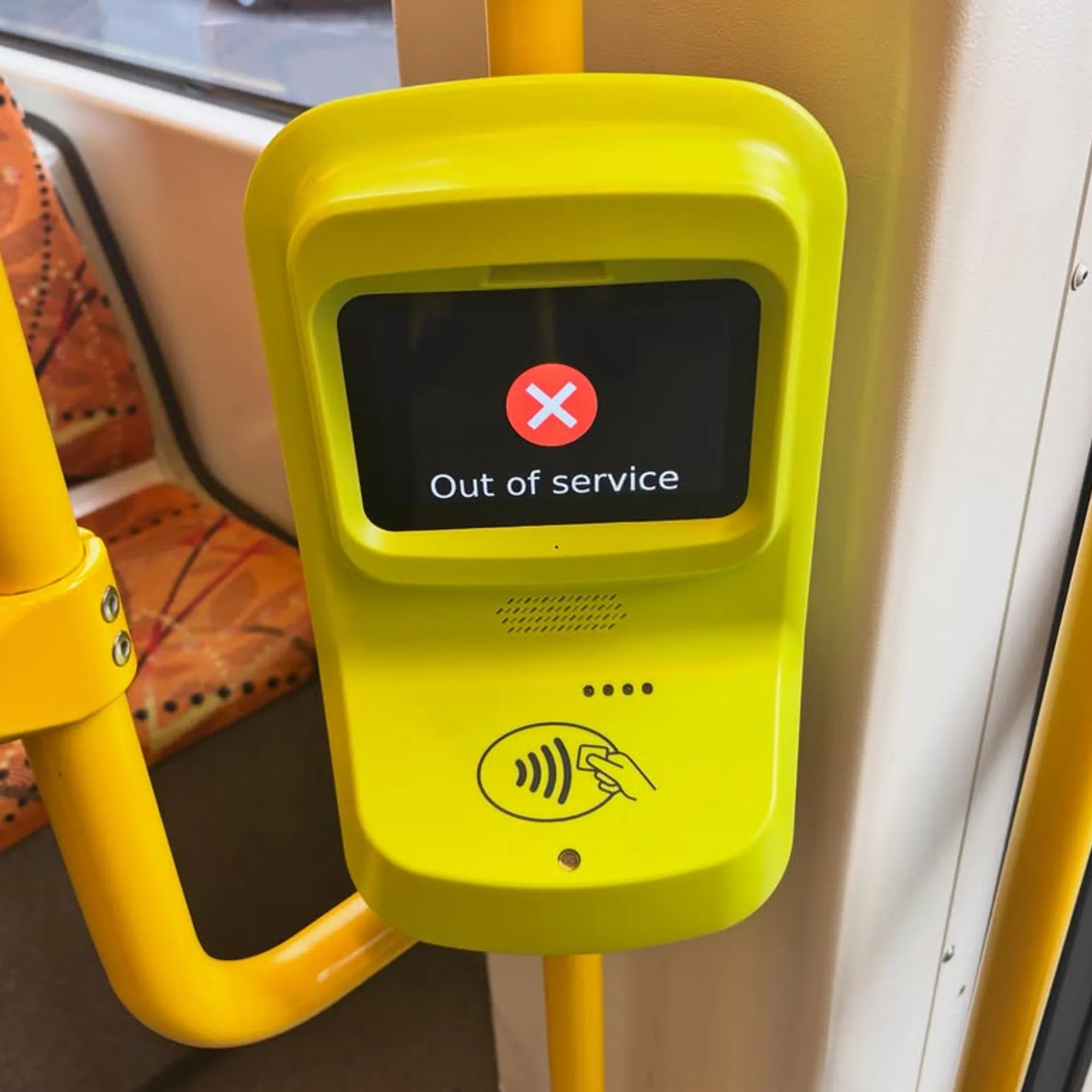
There is nothing to it once you have put myki in order, but tourists will still be found making the usual errors: a paper bank card does not work the same way everywhere, nor does tapping on in a hurry or failing to top up. Use myki? Then deal with it earlier in the day.
Say you have but a day in Melbourne and plan to be out late; have your ticketing in hand before you sit down to dinner. Leaving a gallery or bar at midnight to acquaint yourself with the system is a recipe for putting down money for a rideshare you had no intention of taking.
| Transport Element | What Visitors Should Expect | What Catches People Out | Best Practical Move |
| Night Network | Selected overnight weekend services | Assuming a line is running all night | A check of the timetable is in order |
| myki | Tap on, keep a balance | Finding the balance is low after midnight | Top up in the evening |
| Train Stations | Outer stations are quieter, the CBD busier | To be found in isolated parts of the platform | Put yourself near staff, PSOs or a yellow zone |
| Trams | Good for the inner city late on | The crowds after an event | Get on close to the driver and other folk |
| Buses | Fills in the gaps | An infrequent service can be missed | Be there early, make sure of the stop |
Smart Habits At Stations
Common sense is what you need here. There is nothing wrong with a station at night as a rule, but certain habits will leave you less exposed and at ease.
Late at night Phoebe Langston is not trying to appear fearless, just organised. She has no desire to be about Melbourne Central with 4 per cent of a charge in her phone and a hunch that the right platform is probably ahead.
- Make for a spot with good light, in the vicinity of the yellow safety zone or a PSO.
- Have your route saved and the phone charged before the battery or reception gives out.
- If there is a busier alternative, do not stand at an empty carriage or the end of the platform.
- Keep valuables zipped up and away from the edge of the platform.
- And if someone is being aggressive, do not wait for it to pass, make your move.
Best Places To Wait
Flinders Street Station or Melbourne Central are best served by remaining in the main concourse or where there are other passengers and staff. In the outer suburbs you will be safer in the central zone of the platform where the cameras and light are, not at the end by the dark car park.
One does not win anything for the emptiest carriage. Quiet is not necessarily better; it can mean an unpleasantness goes unnoticed.
Safer Moves On Board
Position and awareness are what matter once you are in the vehicle. There is no call for sitting bolt upright as a security guard would, but it does not hurt to be switched on.
The decision between a rideshare and public transport in Melbourne after dark is not one that can be made with a blanket rule. Public transport makes good sense on busy corridors and is cheaper for the most part. Yet when you are by yourself, put out from the day and have to make several late-night connections to get to a quiet suburb, a car will see you there in greater comfort.
Trains, Trams And Buses
Take the carriage where other people are on a train instead of an empty one. With trams, get on near the driver if you can, the later it gets the more so. On a bus, put in a seat from which you can alight at your stop without having to make a scramble from the rear at the eleventh hour.
Should you have an instinct that something is amiss, act on it. Make use of the emergency intercom or put some distance between you and others, or change carriages at the next opportunity. There is no reason to let things become dramatic before you take the simple step of protecting yourself.
Plan The Journey Properly
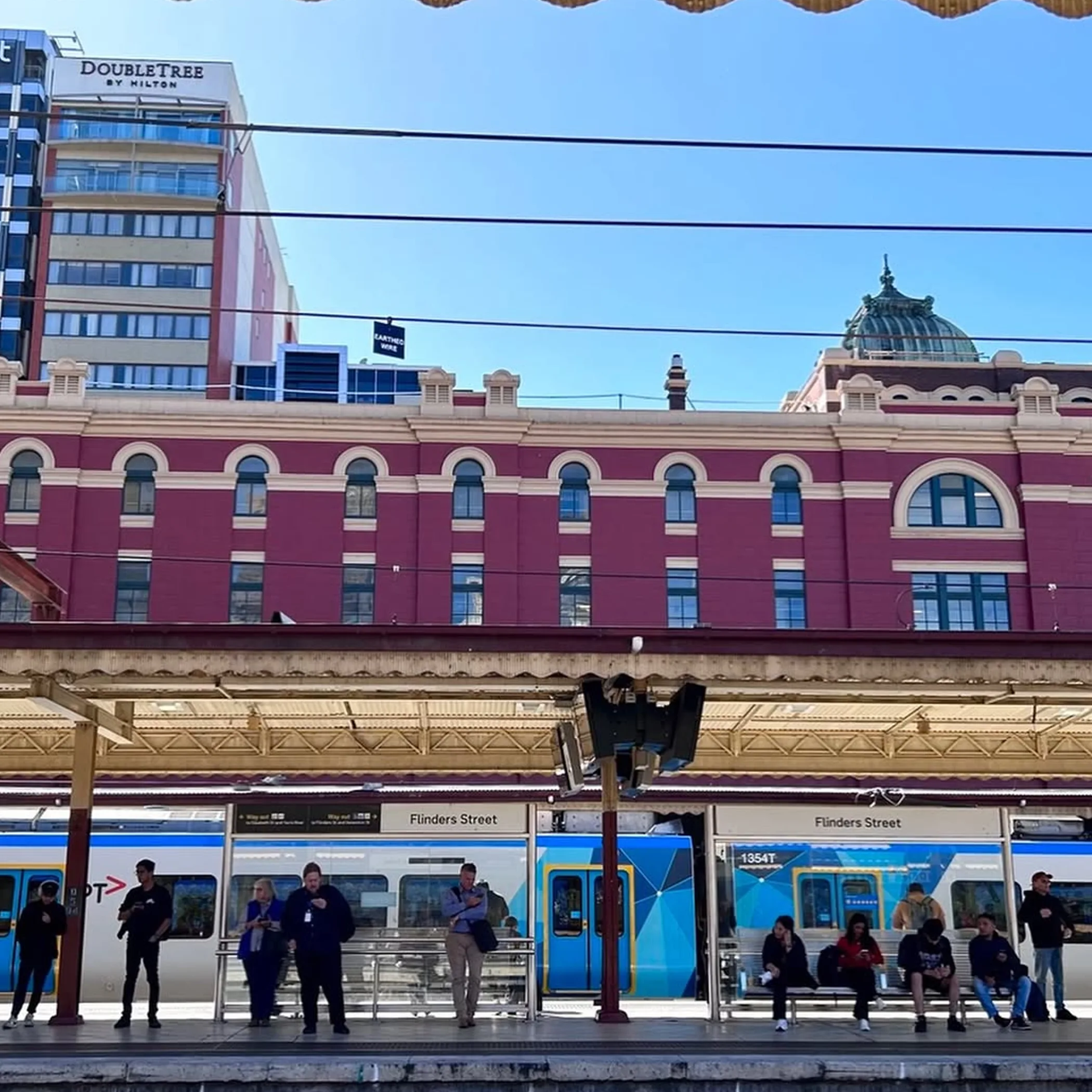
You will find the safest trip has the least number of moving parts. For visitors any trouble with transport is seldom anything to write home about; it is the avoidable tedium of a closed entrance or the wrong platform, or to find the last connection is 12 minutes gone.
Start with how you are getting back before the night is under way for some sound advice on Melbourne nightlife safety. Figure out what your last service is in reality, the time a transfer will take and your backup should the timing run away with you.
Realistic Timing Matters
Leave daytime assumptions at home for late-night travel. What seems a straightforward route on paper may be protracted by event crowds, the weather, slow boarding in the CBD or longer waits for a service. Put in some buffer time for your connections, coming from a busy precinct all the more so.
Then there is this: a journey requiring two transfers past midnight is to be regarded as somewhat fragile. If you miss one and are left half an hour in a lonesome spot, a taxi or rideshare from somewhere well lit is perhaps the wiser choice.
Costs And Trade-Offs
A myki will be noticeably less than a direct car from the CBD, though fares are not set in stone. Taxis and rideshares are the pricier proposition, in peak late-night hours anyway. But you are paying for convenience. A solo traveller with a direct public transport option will find better value, whereas a couple or small party can even up the score by splitting a fare.
When To Choose Another Option
There is nothing dramatic in not putting yourself to the test with public transport; it is merely practical. Are you unwell, rattled, too intoxicated or in any doubt as to your bearings? Then opt for the safer course. Hotel reception will put you in touch with a taxi if you are unsure, and the official ranks in the CBD are there for such occasions.
- Stick to public transport when you are at ease with the timetable and the route is well travelled.
- Turn to a taxi or rideshare for long waits or a very quiet end point.
- Unfamiliar with the area? Your accommodation can tell you of a good late-night option or arrange a pickup.
Who Public Transport Suits Best
The confident sort who do not make a fuss over timetable changes and can read an app or a sign are best placed to use public transport late at night. Couples, groups and those put up in the well-connected parts of the inner city will also find it suits them.
On the other hand, one might not be so well served by it if an absolute novice is making his way alone to some outer suburb very late of the evening, say after a long-haul flight or with a lot of luggage to heave about, or having had a drink or two. No moral point to be made there; it is only a matter of being sensible.
Dealing With Trouble
The moment something goes from a mild discomfort to a real safety concern, do not be slow to act. Put some distance between you and the situation, make for other passengers or staff, and in the event of any immediate peril, call on emergency services. A 000 call is in order for an urgent threat. For anything suspicious or antisocial on the network that is not of that calibre, the reporting channels are there to be used, STOP IT included. Do not let the fact that you are a visitor who does not wish to cause a scene lead you to downplay what is going on.
Emergency Procedures
An emergency intercom is available on the train or tram should you require prompt help. At a station head for the PSOs or where the staff and light are. If the phone is any good, send your location to someone you can put your trust in.
Transport and safety personnel will tell you that the ones who have the best results are those who do not wait around to be polite in the face of aggression. It is a pattern they see all the time.
A Few Things For The Visitor
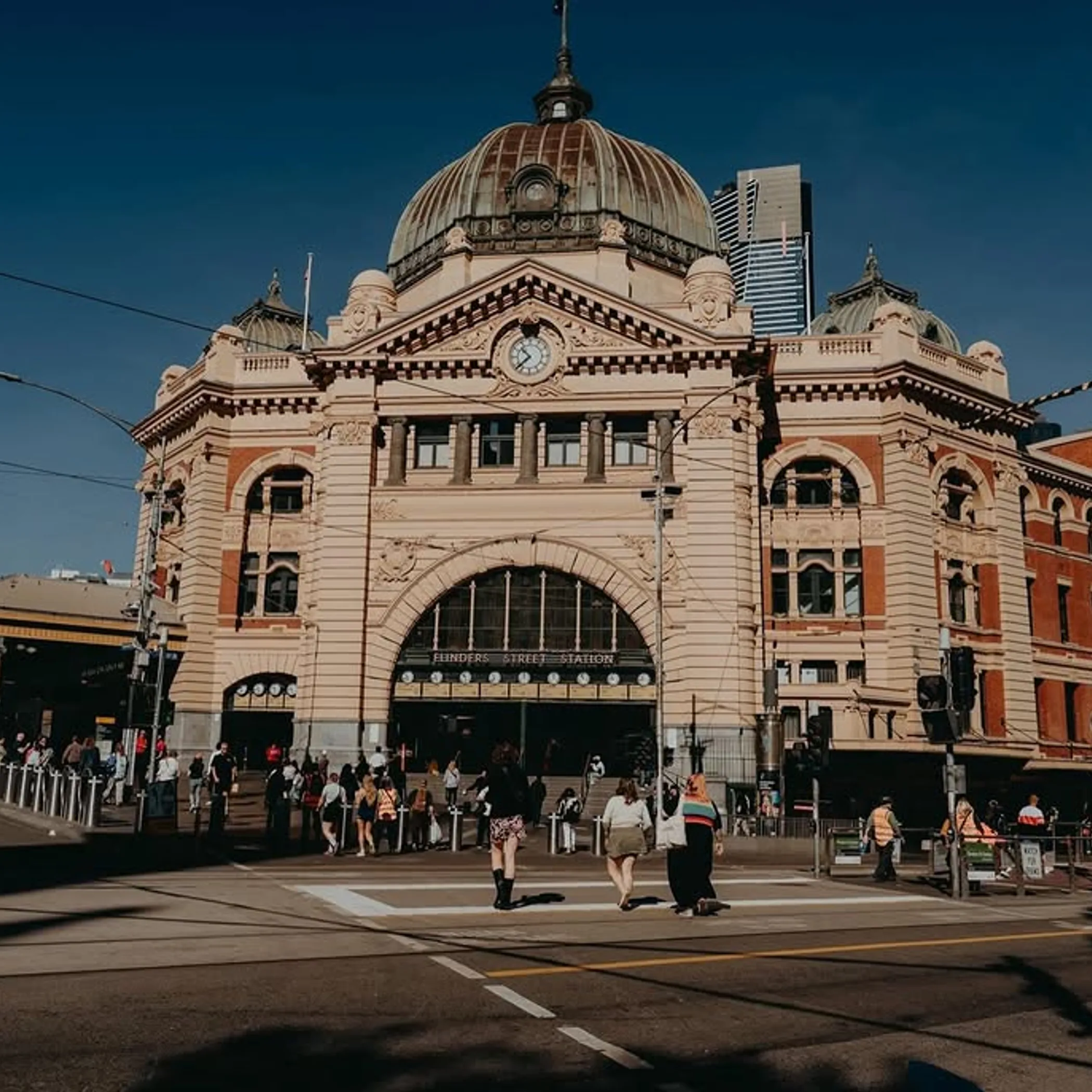
In the end the message is plain: while public transport in Melbourne at night is a workable proposition on the more frequented routes and in the centre, you are better off with a back-up plan and an acquaintance with the network and its monitored spaces. Phoebe Langston would put it as using your head rather than luck. An alert traveller on a simple route in an active station has little to worry about. But if things begin to get complicated, change course before it is a headache.
FAQ
Is it safe to be out in Melbourne City after dark?
For the most part in the central areas where there is an open venue and some foot traffic, yes. Then again, when you are tired and not sure of the way, it is wiser to avoid the empty laneways and remain on the main streets.
What is the way to be safe on public transport at night?
Be in the yellow passenger safety zone, pick the busier carriages, have a charged phone and be near staff or PSOs. And if a person or the circumstances seem amiss, make your move. You will be better prepared and positioned than if you try to put on a front.
How do tourists go about it in Melbourne?
They will use myki for the trains, trams and buses and consult Transport Victoria for the latest on service. One ought to have ticketing and return travel sorted before venturing out.
Can one name the safest train station in Melbourne?
Not according to the public guidance, there is no such ranking. But for a lot of visitors the likes of Flinders Street and Melbourne Central in the CBD are preferable to the smaller stations out of town for being more brightly lit and having more people and staff about.
Rideshare or public transport late at night?
The route will dictate that. For a direct trip on a busy line the latter is more economical and makes sense. But if you have a number of changes to make or are not at ease with the last leg of it, a taxi is the answer. Practicality in Melbourne will trump any hard and fast rule.
